
Senior Spotlight: The Cost of Caregiving
It’s a compassionate task with a high emotional & financial cost.
With an aging population and longer life expectancy rates, caregiving is becoming an increasingly common role. The National Alliance for Caregiving reports that there are 63 million family caregivers in the US, and AARP finds that 2/3 of them are over age 50. The Family Caregiver Alliance states that the average age of a family caregiver is roughly 63 years old. This presents a situation where we have aging adults taking care of other aging adults, such as an adult child in their 60s taking care of a parent in their 80s or 90s.
Not only is there a physical component required for the ability to care give, but there is an emotional and financial cost too. A new article from AARP outlines the costs of caregiving in terms of dollars and areas of budget impacted, an irony that those entering retirement now have to consider not only spending money on their own care, but that of a loved one.
So, what are the costs? Here is a brief overview; we encourage you to read the new AARP report in full here: Caregiver Out-of-Pocket Spending Rises 59 Percent.
- Nearly 9 in 10 caregivers cover expenses with an average of 31% of their income dedicated to caregiving costs.
- Nearly 2/3 of working caregivers made at least one employment change to better accommodate their caregiving responsibilities.
- Family caregivers spend an average of $11,508 a year supporting a family member or friend, a 59% increase from just 5 years ago in 2021.
- Caregivers often cut their own healthcare spending, make fewer retirement contributions and sometimes take out personal loans to finance expenses related to a loved one’s care.
- More than 1/3 of caregivers surveyed utilize their own personal savings accounts and jeopardize their own financial stability.
Wondering what the actual expenses are and where the caregiver dollars go? The cost breakdown is estimated as follows: 42% is housing & household costs, 29% is medical expenses, 27% is food & nutrition and 2% is miscellaneous.
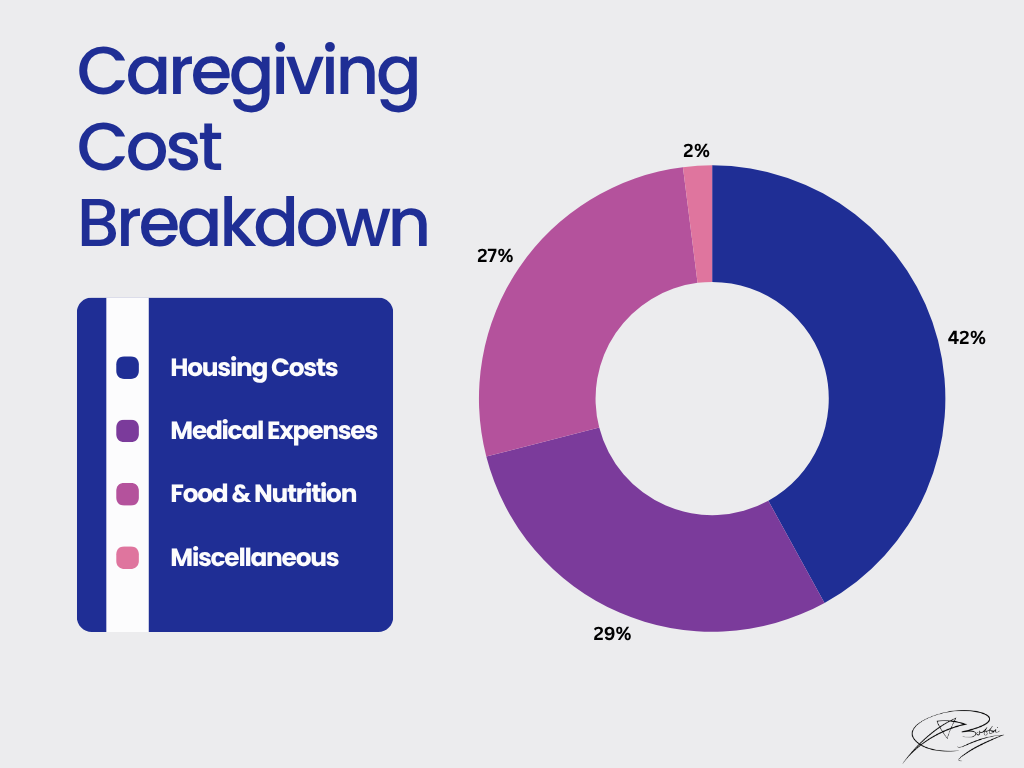
As you can see, one of the biggest ways to reduce the emotional stress of our loved ones is to plan wisely for our own long-term care and expenses of aging.
Sometimes the biggest way we can care for our own loved ones is to ensure we have the resources to care for ourselves. While there is no perfect science or magic formula that tells us how to afford aging, working with a financial advisor and re-assessing your needs and situation may position you better than no planning at all.
Cheers to doing all that we can to live longer, live better and plan accordingly!
Bobbi
Bobbi Decker
DRE#00607999
Broker Associate
650.346.5352 cell
650.577.3127 efax
www.bobbidecker.com
NAR Instructor….“Designations Create Distinctions”
CIPS, SRS, ABR, CRS, SRES, GRI, CLHMS, REI, AHWD, RSPS, MSLG
Bobbi Decker & Associates fully supports the principles of the Fair Housing Act and the Equal Opportunity Act. For more information, please visit: http://portal.hud.gov/

Bobbi's Blog